January 20266 min read
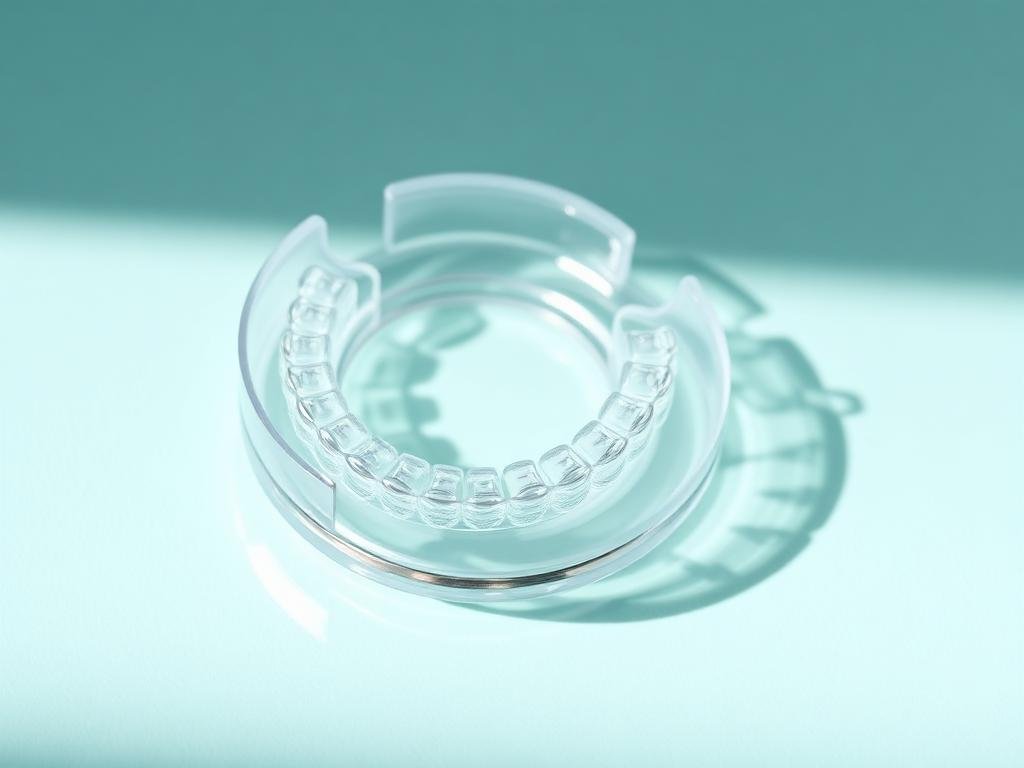
Both clear aligners and braces move teeth into a healthier, straighter position. The difference is in how they do it — and which fits your case, your habits and your lifestyle.
Clear aligners Aligners are a series of nearly invisible, custom trays you change every one to two weeks. You remove them to eat and brush, which makes cleaning easy and lets you eat anything. They suit mild to moderate crowding, spacing and relapse cases especially well.
The catch: they only work while you wear them — about 22 hours a day. Discipline is part of the treatment.
Braces Modern self-ligating braces are smaller and more comfortable than the ones you remember. Because they're fixed to the teeth, they work 24/7 and excel at the most complex movements — severe rotations, big bite corrections and cases aligners can't fully handle.
The trade-off: they're visible (though ceramic options blend in), and you'll need to brush more carefully around the brackets.
How to choose - **Choose aligners** if discretion matters, your case is mild to moderate, and you'll commit to wearing them. - **Choose braces** if your case is complex, or if a removable appliance would be hard to keep track of — for younger teens, for example.
What stays the same either way Every plan starts with a digital scan and a 3D simulation, so you see your final smile before you begin. And both finish the same way: with a retainer. Teeth naturally drift back, so wearing your retainer is what keeps the result for life.
Not sure which suits you? An orthodontic consultation gives you a clear, personalised answer.